
Positive Apparel and the rise of resale culture in Nelson
A conversation about sustainability, affordability and the culture of thrifting in the Kootenays
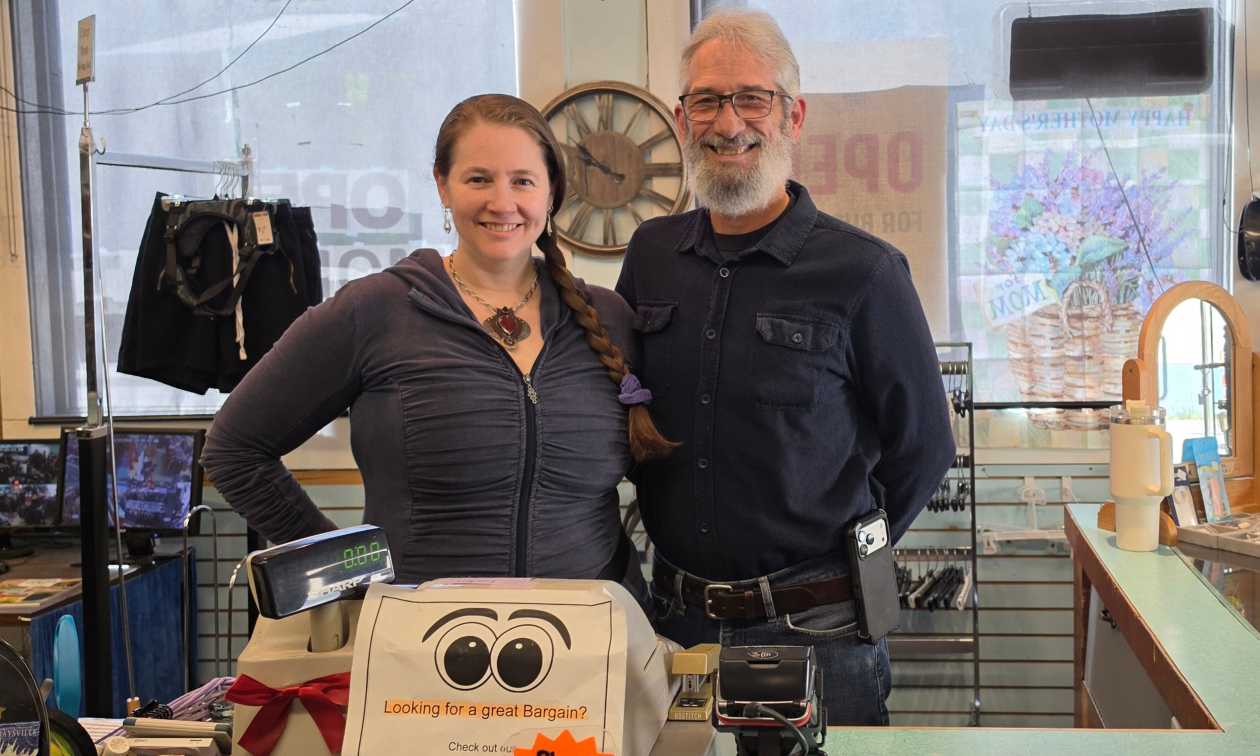
Aviva Keely and her husband, Sean Keely, are helping secondhand culture thrive in Nelson. — Photos courtesy of Positive Apparel Thrift Store
In Nelson, thrift shopping has become about more than finding a good deal. For many residents, it’s part of a broader shift toward sustainability, affordability and community-minded consumption, values that have helped secondhand culture flourish throughout the city.
Few businesses have been part of that evolution as long as Positive Apparel Thrift Store. Since opening in 2009, the family-run thrift store has expanded from a modest storefront into a major local operation focused not only on resale, but textile diversion and community involvement. We spoke with co-owner Aviva Keely about the store’s beginnings, the realities of running a thrift business and how secondhand shopping continues to change in Nelson.
What inspired you to start Positive Apparel Thrift Store?
We originally started our store in the space beside El Taco on Victoria Street in 2009. We were there for just over a year before we moved into the space we are in now. Our son was six months old when we moved.
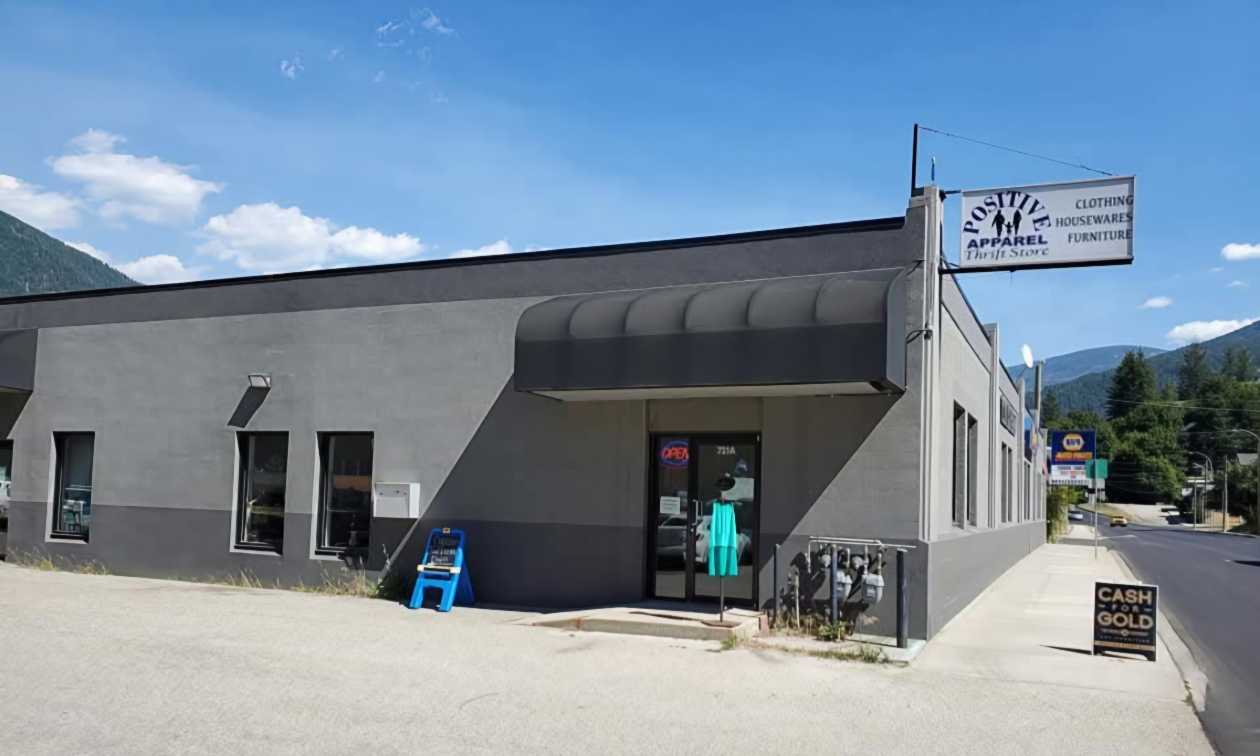
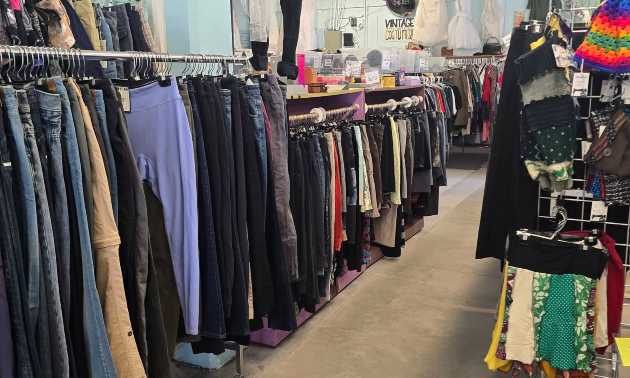
Positive Apparel is a long-standing family-run shop known for secondhand clothing, reuse initiatives and community-focused retail.
Where did the name “Positive Apparel” come from?
We were doing a lot of personal development at the time. We had been working on a 45-day manifestation workshop. We were just kind of joking about the fact that we could pull this off in 45 days. I love thrifting, and so we decided to open up a thrift store to help keep stuff out of the landfill. Originally, we called ourselves Paws-ative Apparel and we chose to give to animal charities. When we moved into the big location, we changed our name to Positive Apparel and made our focus more about family.
What was the biggest challenge in getting the store off the ground?
We have faced many challenges over the years. The biggest challenge in getting the store off the ground originally was finances.
How has the business evolved since you first opened?
Well, we went from 1,500 square feet to over 7,000 square feet. Shortly after moving into the Front Street location, we started textile diversion and recycling. I think, if anything, that was the biggest shift for us—finding out how recycling in Canada works, what things are able to happen here and what is outsourced.
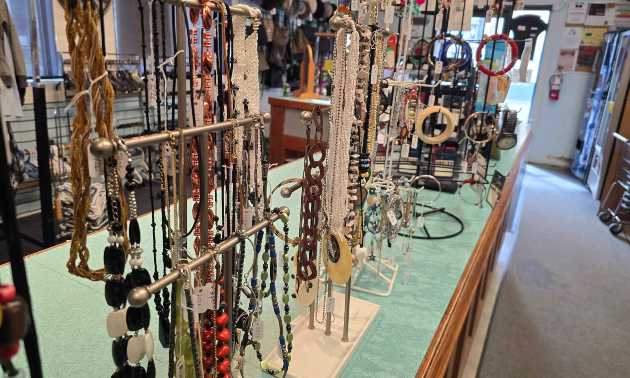
How does thrift shopping support sustainability in Nelson?
With how expensive everything is these days, I think that everybody needs a break. Thrifting is a fun and easy way to save a little bit of money. Here in Nelson, we have all kinds of people and we are an extreme sports town, so there are lots of expensive items being donated. Between us and Share Nelson, you can enjoy the better things in life without breaking the bank.
What role do you think small businesses play in shaping community culture?
Small businesses provide jobs. We have real connections to the community, unlike conglomerates, which don't typically live in the communities where they have businesses. We know the people we work with and the business. We see the need, we participate in the events, we have children in the schools, and we participate in sports and dance. We are community members.
How would you describe the vibe of your store to someone who’s never been in?
We hire young and old, but the young people seem to pick the store’s vibe. I have spent many years doing school tours and those students now find their way down to the store on a regular basis.
What makes your shop different from other thrift stores?
We are not a charity or not-for-profit. We are a family-run thrift store where everyone who works for us gets paid. Most of our staff earn more than minimum wage. We are also the only thrift store in town that buys things, although clothing is one thing we do not purchase.
We also sponsor many local events and groups. Over 16 years, the list is long. However, this year we sponsored Glacier Gymnastics, Discover Circus, Haute Trash, and several craft fairs and other community events.
We are also the only ones who have a $1 room. This room allows us to circulate clothing. We put the items that don't sell on the main floor there, as well as curating the things that go there that maybe just need to be washed.
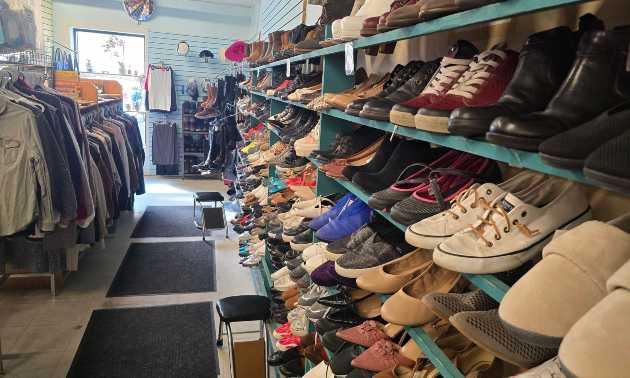
How do you decide what makes it onto the racks?
We do our best to keep a variety of styles. We try to keep brands like Walmart, Ardene, Joe Fresh and Shein off the main floor and tend to put that stuff in the dollar room.
Have you seen shifts in how people shop secondhand over the years?
Yes, more and more people shop secondhand. It has become more than just a fad at this point.
What advice would you give someone new to thrifting?
Thrifting is not fast. You need to give yourself time to find the treasures. Most places put stuff out every day, multiple times a day, so come back often.
What are your hopes for the future of Positive Apparel?
We have been working really hard at getting the teens involved, so I'm hoping that they take over the store one day.
Follow Positive Apparel Thrift Store on Instagram or Facebook.


Comments