
Kootenay company on the national stage
Canadian Rockies Landscape’s Off-Grid Oasis project showcases the region’s design talent
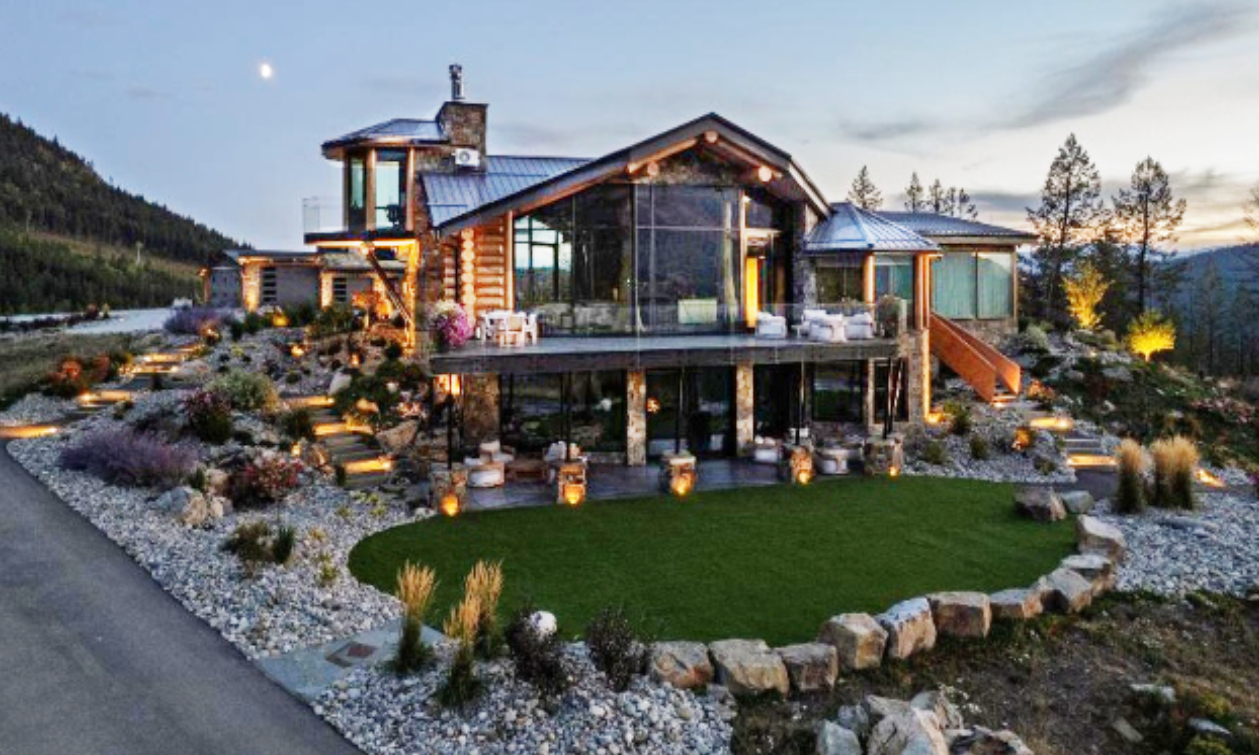
Cranbrook-based Canadian Rockies Landscape has carved out a reputation for creating outdoor spaces that feel both artful and deeply rooted in place. At the centre of that vision is manager and designer Jennifer Krotz, whose work blends ecological sensitivity, technical expertise, and a strong commitment to understanding how people want to live in their landscapes. Whether she’s designing a restorative garden for a hospital or shaping an off‑grid mountain retreat, her approach is based on collaboration, creativity and a respect for the natural environment.
This year, Canadian Rockies Landscape earned provincial recognition for its award‑winning Off‑Grid Oasis project, a testament to the company’s ability to merge sustainability, craftsmanship, and client‑driven design. With the project now advancing to national consideration, Krotz reflects on the evolution of the industry, the growing demand for environmentally focused landscapes, and the philosophy that guides her work.
As manager and designer at Canadian Rockies Landscape, how would you describe your role in shaping the company’s vision and projects?
My husband, Darren Krotz, and I work as a team to design and construct landscape projects that are both artistic and functional. We pride ourselves on creating unique projects for our clients that reflect their vision and goals. We work closely with each client to create fresh spaces that express their personality and style, while our focus on craftsmanship and service delivers lasting quality.
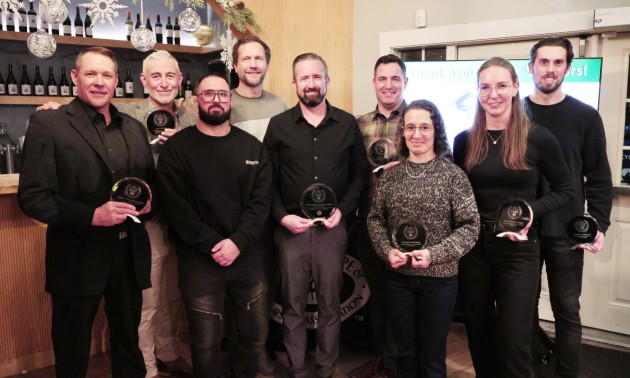
You recently received a provincial Landscape Design Award for the Off-Grid Oasis project. What made that project stand out in such a competitive field?
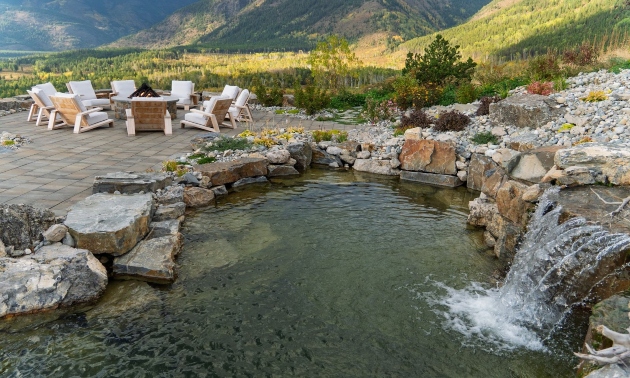
We believe this project stood out because of its off-grid nature and the transformative, functional, and beautiful purpose-built spaces it created. The design blends native plants, fire-smart principles, and natural stonework into a restorative sanctuary. Our focus was to ensure every space reflected the client’s vision of living simply, beautifully, and sustainably in the wild. The design incorporates four-season interest, with craftsmanship evident in every detail, ensuring the setting feels like part of the mountain itself. The goal was to tie the buildings together in a way that felt functional while blending into the alpine setting and supporting local habitat. The homeowners’ strong focus on health, well-being, and creating a true mountain retreat helped guide the design, which intentionally blurs the line between natural and constructed environments. Fire-smart habitats were created with special attention to pollination value, supporting future farm, greenhouse, and orchard development. Extra care was taken in selecting a mix of native and ornamental flowering shrubs to enhance and protect habitat while strengthening the property’s long-term self-sufficiency.
The result is a sanctuary that is restorative, resilient, and deeply connected to the surrounding wilderness.
The project also earned a Green Stamp Award for environmental stewardship. What sustainability principles were built into the design?
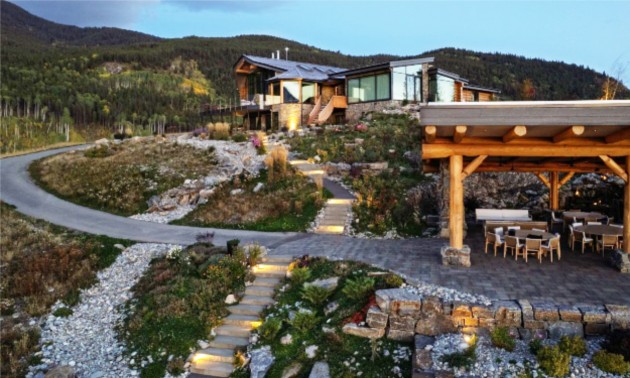
The entire landscaping project was designed to blend the natural environment with the constructed elements. Native plants and high-pollinator-value plants were used throughout the design, with specific care taken to create habitat for songbirds, hummingbirds, butterflies, and bumblebees. A living roof was installed, and rainwater is collected and fed into water features and an irrigation pond. All soil and hardscaping materials were sourced from local quarries, reducing the environmental impacts associated with transportation. The irrigation system was designed with water conservation in mind, primarily using drip irrigation and a rain gauge. All lighting is low voltage, helping reduce demands on the off-grid power supply. Special care was also taken to produce a native seed blend for re-seeding areas, helping re-establish grassland habitat while increasing pollination value.
You were also named a finalist for additional awards, including for the Healing for Health Garden at Creston Valley Hospital. Can you tell us about the vision behind that project and what it means to create restorative spaces in a healthcare setting?
Absolutely. The Creston Valley Hospital “Healing Garden” project is a design that was developed for the East Kootenay Foundation for Health. The vision is to create a healing garden outside the hospital’s main entrance that, through passive interaction, would provide psychological, social, physical, emotional, and spiritual benefits. The goal was to help reduce stress and improve a person’s sense of wellbeing and connection to the outdoors. The primary intent of the design is to improve health outcomes for those interacting with the hospital by creating a space that promotes healing for patients, families, and staff. The East Kootenay Foundation for Health envisions a beautiful four-season space where people could decompress, relax, and recharge. The garden is designed as a place where visitors could sit and enjoy the birds, bees, and butterflies, breathe fresh air, and bask in the sunshine. It would also provide a quiet space for families visiting loved ones, as well as a much-needed private place for staff to recharge during breaks and lunches.'
What does receiving recognition from the BC Landscape Nursery Association mean to you personally, and to the team?
This recognition from our peers means a great deal to us. We poured our heart and soul into this project over the past two years, and it’s incredibly rewarding to see that effort acknowledged. It’s something we are very proud of and a great opportunity to highlight the talent and skills available here in the Kootenay region.
The Off-Grid Oasis project is now moving forward for national consideration. How does that elevate the profile of a Kootenay-based company on the broader industry stage?
We are very excited to showcase the leadership and craftsmanship of our company on the national stage. There are so many amazing businesses across the country, so it’s truly an honour to represent our region at this level.
How has the landscape design industry evolved since the company began?
The landscape design industry continues to grow and evolve with new technologies and easier access to worldwide inspiration. Our clients are increasingly knowledgeable about their choices and are more focused on specific outcomes. At the same time, new material technologies and sustainability principles continue to push the industry forward, encouraging designers and builders to deliver innovative solutions and expanded expertise.
Are you seeing increased demand for off-grid, environmentally focused, or wellness-oriented landscapes in the Kootenays?
The short answer is yes. Whether the project is hundreds of acres or a small backyard parcel, most of our work focuses on connecting people to the environment and helping them enjoy their own piece of paradise. With our science background, we often focus on opportunities to enhance local habitats and work with clients to create spaces that expand habitat for songbirds, butterflies, and bees.
What’s one thing homeowners often underestimate when planning a major landscape project?
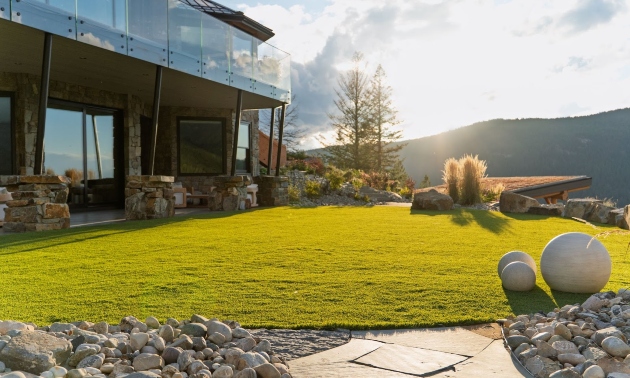
One of the biggest surprises for homeowners is the cost of the work that happens underground. Properly constructing hardscapes requires a significant amount of preparation below the surface to ensure the installation lasts over time. It can be difficult for people to allocate a large portion of their budget to things they don’t see, compared to visible elements like trees or plants, but that foundational work is essential to creating a project that stands the test of time.
For clients interested in sustainability, what’s a realistic first step toward a more environmentally responsible outdoor space?
A simple first step is choosing plants that are native or have high pollination value. Installing an irrigation system that waters directly to plants and adjusts based on precipitation can also significantly reduce water use. Another easy change is raising the blades on your mower so your lawn grows slightly longer. Watering less frequently but more deeply also encourages stronger root systems.
What are your goals for the future?
Our goal is to continue growing our business while providing a one-of-a-kind craftsmanship experience in landscape design and construction.



Comments