Prediction markets are coming to Canada. Investors should know what they are really buying.

In a world built around uncertainty, there’s a difference between managing risk and betting on it.
Prediction markets may look like investing, but a smarter-looking bet is still a bet.
There are plenty of things worth betting on in the Kootenays.
Whether the rain will hold off long enough for one more day on the lake. Whether Highway 3 will be clear when you need to be somewhere. Whether your contractor will actually show up “sometime Tuesday.”
Most of those bets should stay where they belong: in conversation, at the pub, or around the table after dinner.
They, for sure, do not belong in your investment plan.
Predicting what matters
Prediction markets are getting more attention in Canada. These platforms allow people to “trade contracts” based on whether a specific event will or will not happen. In plain English, you are putting money on a yes-or-no outcome.
Will inflation be higher next quarter? Will the Bank of Canada cut rates? Will a certain financial indicator land above or below a set number?
It can seem serious because the questions feel sophisticated. That’s part of the problem.
The reality is that a bet on an interest rate decision does not magically become investing because someone attached it to a respectable-looking app and wrapped it in financial language. It may look smarter than buying a lottery ticket at a gas station, or betting on which team will make the quarterfinals, where you might actually have access to more useful information. But the underlying behaviour is not as different as people may want to believe.
The most dangerous part is not that people may gamble; adults are allowed to make choices with their entertainment money. The danger is that prediction markets can blur the line between entertainment and investing.
That line matters.
If you spend a small amount of money for fun because you want to see if your hunch is right, and you can afford to lose it, fine. Just be honest about what it is: entertainment spending, not investing.
If you take $50, $500, or $5,000 from money meant for retirement, a child’s education, a business expansion, a future home, or a more secure life, that is a different conversation.
Most people understand this distinction in everyday life. You do not treat the rent money like pocket money. You do not use next month’s payroll to try out a “sure thing.” You do not turn long-term savings into a game of being right about the next inflation number.
Risky decisions repackaged
There is also a larger question here, and it is not only whether prediction markets are legal.
It is whether financial services firms should be encouraging people to use them.
This is not about one firm or one app. It is about a broader industry habit of making risky behaviour look more respectable when it is packaged as innovation.
A regulated version may be safer than pushing people toward offshore or less transparent platforms. If Canadians are going to seek these products anyway, there is an argument that they are better off doing it somewhere with identity checks, rules, oversight, and limits on what can be traded.
But when prediction markets appear under the broader umbrella of financial services, the activity can gain a level of credibility it may not deserve. When something is offered in a financial context, it can start to feel like part of a normal toolkit for saving, investing, and getting ahead.
That is where the concern lives.
Financial services firms have influence. They shape behaviour. They tell clients, directly or indirectly, what belongs in the financial conversation. When speculative yes-or-no contracts become easier to access, even through a separate app, short-term wagering can start to feel adjacent to investing.
For people with strong financial discipline, that distinction may be obvious. For many retail investors, it may not be.
Prediction markets can also create a misleading sense of control. Having an opinion is not the same as having an edge.
You may have a view on interest rates because you run a business and feel the impact of borrowing costs. You may have a view on inflation because you buy groceries, fuel, building supplies, equipment, or insurance. You may have a view on markets because your retirement account has had a bumpy year.
That does not mean your view should become a trade.
In markets like these, the average person is not necessarily competing against another average person with a cup of coffee and a strong opinion. They are likely competing against people or organizations with better data, faster tools, more experience, deeper pockets, and a much higher tolerance for loss.
That’s not a fair fight. That is you showing up to the Dunk Tank at a summer Rotary BBQ with a bean bag and finding out that everyone else is using AI-guided targeting.
Financial markets already have enough moving parts. Most people do not need another way to turn uncertainty into activity.
Investing should not be about proving you can predict the future. In fact, good investing usually starts with accepting that you cannot.
You do not build a financial plan around knowing exactly what interest rates, inflation, markets, elections, currencies, housing prices, or commodity prices will do next. You build a plan that can survive being wrong about some of those things.
The Kootenay context
That is especially relevant in the Kootenays, where people are often balancing real-world financial complexity: seasonal income, tourism cycles, wildfire season, resource-sector swings, small business cash flow, housing pressure, family obligations, and the practical realities of living in a region where distance and weather can still call the shots.
A good plan should help people make calm decisions in the middle of all that. It should reduce the urge to react, chase, guess, or gamble. It should give people a framework, not another prompt asking them what they think will happen next.
Some innovations make investing better.
Some just make gambling easier. Knowing the difference may be one of the smartest financial decisions a person can make.
Verecan Capital Management Inc. is a Registered Portfolio Manager.
Learn more about Verecan Group of Companies →
Subscribe to the Verecan Newsletter →
About Ainsley Mackie
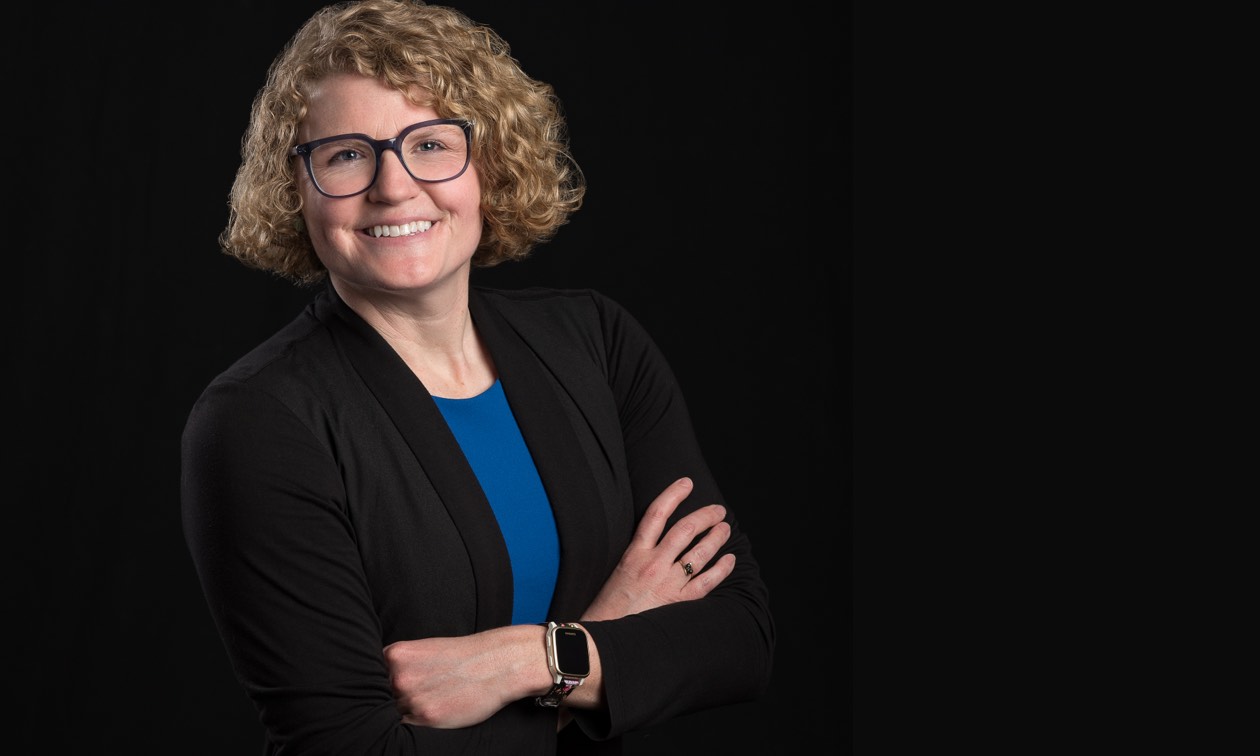
Ainsley Mackie, Portfolio Manager, is part of the team at Verecan, where she helps cut through financial jargon with a clear and candid voice. Her thoughts have been featured in national outlets including the Financial Post, The Globe and Mail, and the Toronto Star. In 2020, she received Wealth Professional Magazine’s Award for Excellence in Philanthropy and Community Service, recognizing her ongoing contributions to community and charitable initiatives. Ainsley brings the same approachable style to her work that she does to life in the Kootenays, keeping money matters grounded, human, and practical.
Read more jargon-free financial advice from Ainsley
The Hidden Cost of ‘Free’ Financial Advice
Choosing a Financial Planner: Why Balance Beats “Die With Zero”
The Untold Cost of Chasing Big Investment Swings
The money stories we inherit (and why they’re so hard to let go)
When being “good with money” isn’t the whole picture
You don’t need Bay Street (or Oak Bay!) money to start acting like an investor
Spring confidence isn’t a strategy: What the seasons do to your investment decisions
Why good financial advice shouldn’t change based on gender
Canada Strong Fund: Big name, bigger questions
The retirement number is not the point