Why good financial advice shouldn’t change based on gender

The difference between inclusive marketing and effective financial planning
Spend a little time scrolling through financial content and you’ll find an entire category built around “money advice for women.” Softer visuals, empowerment messaging, and the promise that this version of planning is somehow different.
On the surface, there is nothing wrong with that. If it makes someone feel more comfortable starting the conversation, the branding has done its job. For an industry that hasn’t always made people feel welcome, that matters.
When marketing meets money
The more important question is what happens after the conversation begins.
Because once you move past the marketing, good financial advice should look familiar. It should be grounded in the same fundamentals for everyone: your goals, your timeline, your risk, your tax reality, and the specifics of your life. Those are the inputs that shape a plan. Not gender.
That said, life doesn’t play out identically for everyone. There are patterns worth acknowledging. Women, on average, live longer. They are more likely to take time away from the workforce. They are more often in caregiving roles. They are also more likely to inherit wealth later in life.
Those are meaningful factors. They should absolutely influence planning. But they are situational, not categorical. They don’t require a different philosophy. They require attention, context, and thoughtful advice.
Why context matters more than category
This is where things can quietly go off track.
The problem with gendered advice is that it understates capability. It suggests women need to be spoken to differently or sold different products. It creates a convenient side door for the industry to offer watered-down strategies dressed up as empowerment.
Strong planning starts with the same core questions for everyone:
- What do you want your money to achieve?
- How long does it need to last?
- What risks do you face?
- What structure gives you the best chance of meeting your goals?
The answers vary because of lived experience, not gender.
There’s also an interesting tension in the data. Women often report lower confidence in their financial knowledge, yet they tend to be more disciplined investors over time. Less reactive. Less likely to trade based on noise. In many cases, that leads to better long-term outcomes.
That contrast matters. It reinforces the idea that the issue isn’t ability. It’s perception, both from within and from the industry itself.

What actually shapes a financial plan
So how should you think about gender-focused financial branding?
As a signal, not a conclusion.
It may simply mean an advisor is trying to make their practice more approachable. That can be a good thing. But it can also reflect an underlying assumption that gender should influence how advice is delivered or what recommendations are made.
The difference shows up in the details.
If the advice you receive is clearly anchored in your circumstances, your plan will feel specific, relevant, and grounded. If it feels generalized or subtly shaped by assumptions about what someone “like you” should want or need, that’s worth pausing on.
A simple way to pressure-test it is to remove the label.
If someone else with the same financial picture but a different gender would receive the same advice, you’re likely in the right place. If not, it’s a sign that something other than your circumstances is influencing the plan.
None of this is about dismissing efforts to make financial advice more inclusive. It’s about keeping the focus where it belongs.
Marketing can speak to identity. That’s part of its job.
Planning, on the other hand, should speak to reality.
And when those two stay in their respective lanes, people tend to get better outcomes, clearer advice, and a lot more confidence in the decisions they’re making.
- Verecan Capital Management Inc. is a Registered Portfolio Manager.
- Learn more about Verecan Group of Companies →
- Subscribe to the Verecan Newsletter →
About Ainsley Mackie
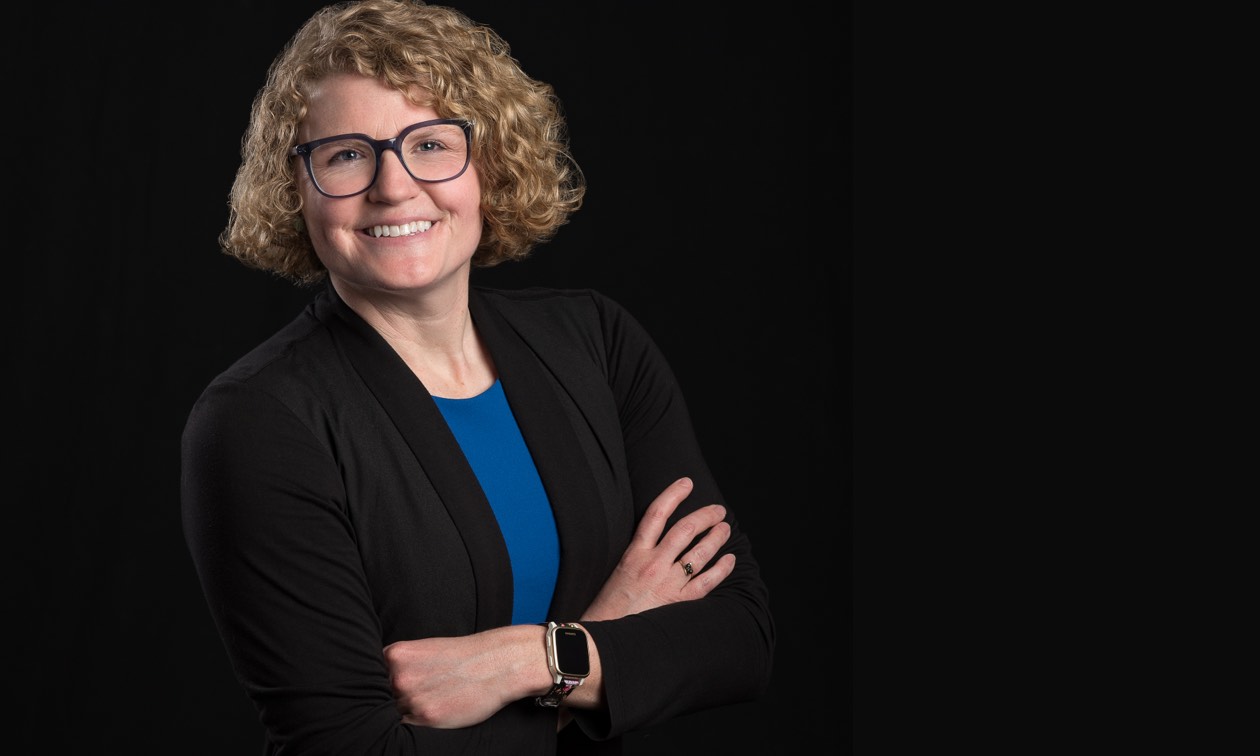
Ainsley Mackie, Portfolio Manager, is part of the team at Verecan, where she helps cut through financial jargon with a clear and candid voice. Her thoughts have been featured in national outlets including the Financial Post, The Globe and Mail, and the Toronto Star. In 2020, she received Wealth Professional Magazine’s Award for Excellence in Philanthropy and Community Service, recognizing her ongoing contributions to community and charitable initiatives. Ainsley brings the same approachable style to her work that she does to life in the Kootenays, keeping money matters grounded, human, and practical.
Read more jargon-free financial advice from Ainsley
- The Hidden Cost of ‘Free’ Financial Advice
- Choosing a Financial Planner: Why Balance Beats “Die With Zero”
- The Untold Cost of Chasing Big Investment Swings
- The money stories we inherit (and why they’re so hard to let go)
- When being “good with money” isn’t the whole picture
- You don’t need Bay Street (or Oak Bay!) money to start acting like an investor
- Spring confidence isn’t a strategy: What the seasons do to your investment decisions