The money stories we inherit (and why they’re so hard to let go)

Change your perspective on money, and watch your financial future evolve.
How childhood experiences quietly shape our financial behaviour—and what it takes to rewrite the script
Most of us like to think our financial decisions are logical. We earn, we save, we spend, we invest. Simple enough.
Except it’s rarely that simple.
A lot of what shapes our relationship with money has very little to do with spreadsheets and everything to do with what we absorbed growing up. Long before we understood interest rates or investing, we were learning how money was talked about, worried about, argued over, or avoided entirely.
Some of those lessons were obvious. “Money doesn’t grow on trees.” “You have to work hard to deserve what you earn.”
Others were quieter but just as powerful: A parent who stressed over every bill, a household where money was never discussed, or an unspoken fear that things could fall apart at any moment. Those early experiences tend to stick. I often see people who feel anxious about spending even when they can afford to. Others feel guilty for accumulating wealth, as though having more somehow makes them irresponsible or undeserving. These reactions don’t come from the numbers. They come from the stories we were handed early on.
The reason these beliefs are so hard to shake is that they don’t feel like beliefs. They feel like identity. We don’t just learn how money works as kids, we learn how to feel about it. By the time we’re adults, those emotional associations are baked in. Even when we know, logically, that our situation is different from our parents’, our nervous system hasn’t always caught up.
Inherited financial trauma shows up in predictable ways. Some people avoid looking at their finances altogether because it feels overwhelming or shame-inducing. Others get stuck in paralysis, afraid to invest, afraid to change advisors, afraid to make a wrong move. I also see people stay in financial arrangements that don’t serve them anymore simply because doing something different feels riskier than doing nothing.
There’s often guilt on both ends of the spectrum. Guilt about not having enough. Guilt about having too much. A quiet sense that no matter what they do, they’re somehow “doing money wrong.”
When I work with clients who carry these beliefs, the first step is slowing things down. There has to be space to talk about where these ideas came from without judgment. The goal isn’t to dismiss what someone learned growing up. It’s to look honestly at whether those lessons still make sense for the life they’re living now. From there, the work becomes forward-looking. What do you actually want your money to do for you? What kind of security matters to you, not to your parents or your younger self? When people start building a plan based on their own values instead of inherited fears, something shifts. Decisions get clearer. Confidence grows.
Millennials, in particular, seem to carry a heavy mix of inherited beliefs and modern pressures. Many grew up during economic uncertainty, which shaped their views on risk and stability. At the same time, they’re navigating rising costs, delayed milestones, and constant comparison. They tend to be open to new financial ideas, but also deeply anxious about getting it wrong.
One of the most common mistakes I see is an extreme fear of taking any risk at all.
Many were taught to avoid debt at all costs or to see investing as something dangerous. That fear can quietly limit opportunity. Part of the work is reframing risk as something that can be managed, not avoided entirely. A simple exercise I often suggest is writing a personal “money story.” What messages did you grow up with? How did they shape your behaviour? And which parts of that story do you want to keep, or leave behind? Pairing that reflection with small, achievable financial goals can be surprisingly powerful. Confidence tends to rebuild one decision at a time.
Developing your own financial philosophy is essential. If you’re still living out someone else’s script, you’re not fully in control. When people align their financial choices with their own values and goals, not inherited fears, their sense of security improves. So does their peace of mind. Money touches everything. It’s worth making sure the story guiding it is actually yours.
Verecan Capital Management Inc. is a Registered Portfolio Manager. See website for details.
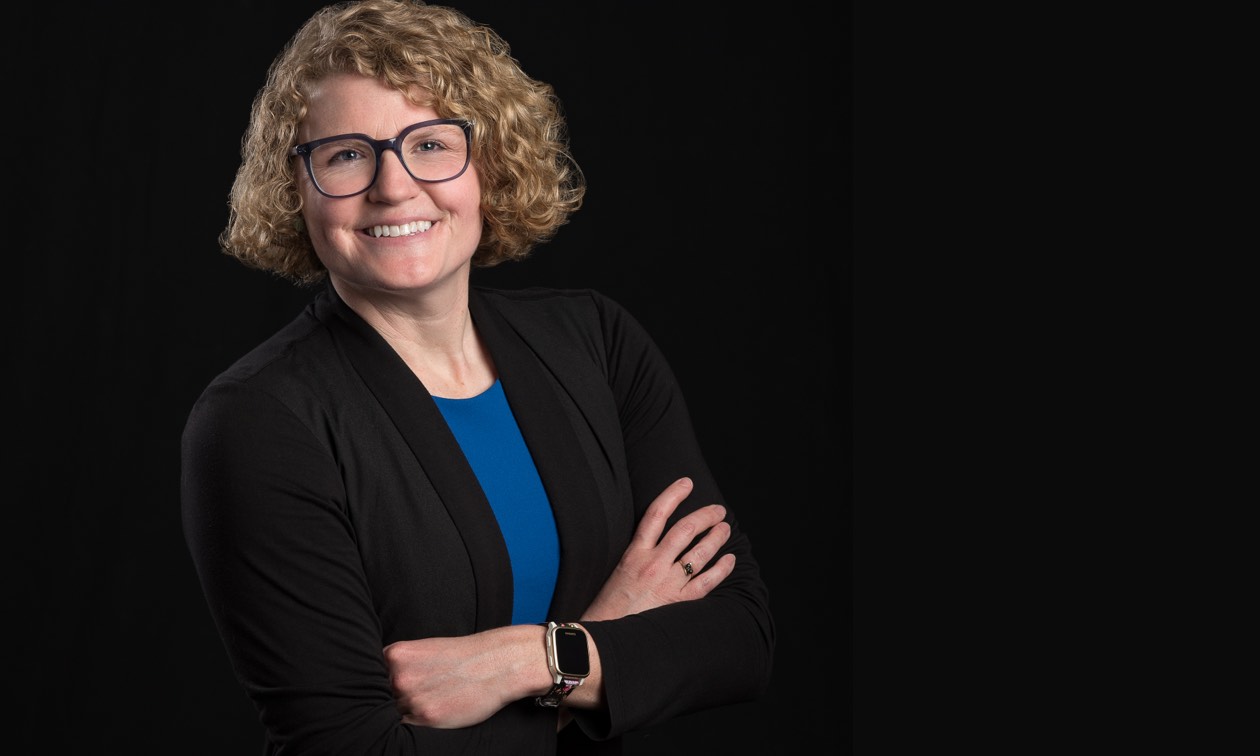
About Ainsley Mackie
Ainsley Mackie, Portfolio Manager, is part of the team at Verecan, where she helps cut through financial jargon with a clear and candid voice. Her thoughts have been featured in national outlets including the Financial Post, The Globe and Mail, and the Toronto Star. In 2020, she received Wealth Professional Magazine’s Award for Excellence in Philanthropy and Community Service, recognizing her ongoing contributions to community and charitable initiatives. Ainsley brings the same approachable style to her work that she does to life in the Kootenays, keeping money matters grounded, human, and practical.
Read more blog posts from Ainsley
The Hidden Cost of ‘Free’ Financial Advice
How Verecan Capital Management champions transparency and trust
Choosing a Financial Planner: Why Balance Beats “Die With Zero”
At Verecan Capital Management Inc., we believe smart planning beats “die with zero.” Find balance—save wisely, enjoy today, and feel secure about tomorrow
The Untold Cost of Chasing Big Investment Swings
The pursuit of high-risk investment “big swings”—often fueled by selective storytelling of successes—is counterproductive