The 5 Most Common Pests in the Kootenays and How to Stop Them
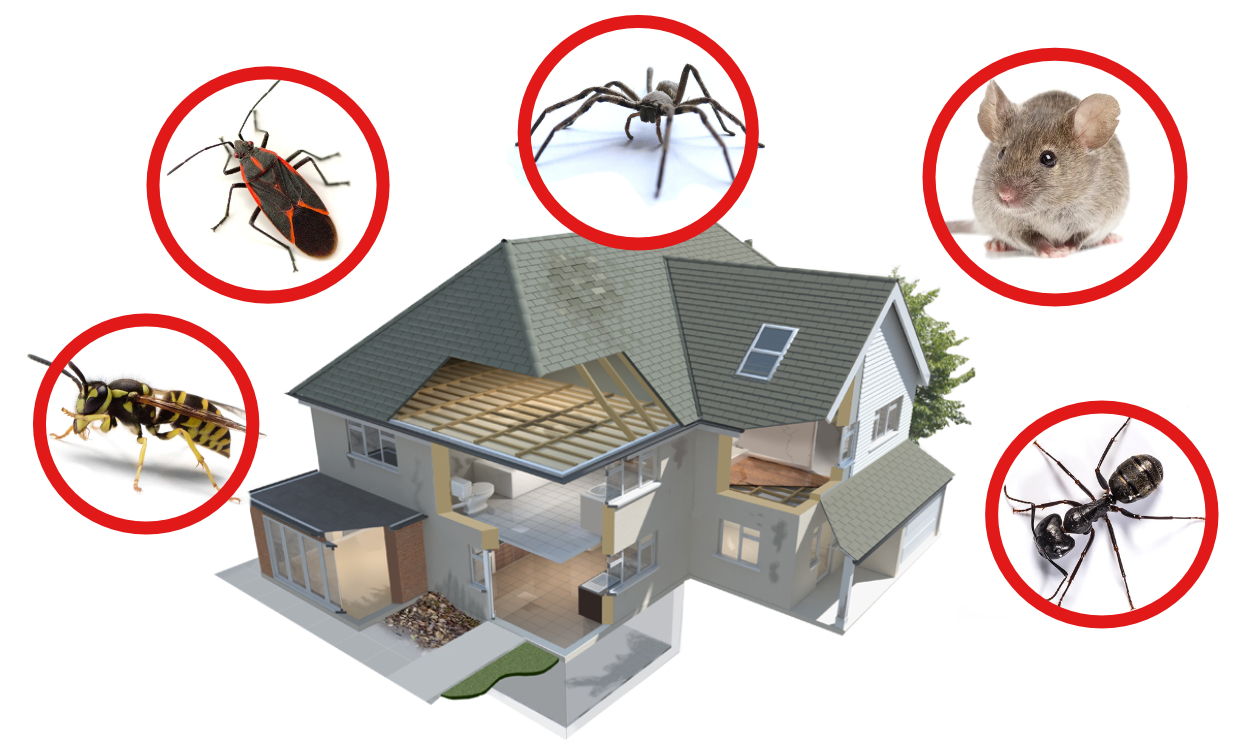
Abell's team knows all the most common pests in the Kootenays and key areas where they’re most likely to invade.
How to Deal with the Most Common Pests in the Kootenays, Including Mice, Carpenter Ants, Wasps, Spiders, and Seed Bugs
In the Kootenays, living close to forests, rivers, and mountains is part of what makes the region so special. It also means sharing space with wildlife and seasonal pests. From damp spring thaws to long fall shoulder seasons, the local climate can create distinct pest patterns. Whether you live in an urban neighbourhood, on a rural acreage, or at a seasonal property, pest activity can show up in different ways throughout the year.
Since 1924, Abell Pest Control has helped homeowners protect what matters most. Our local technicians understand the pest pressures that come with living in the Kootenays and the seasonal changes that drive them. Here is a closer look at five of the most common pests in the region, including how to identify them, how to help prevent them, and when it may be time to call a professional.
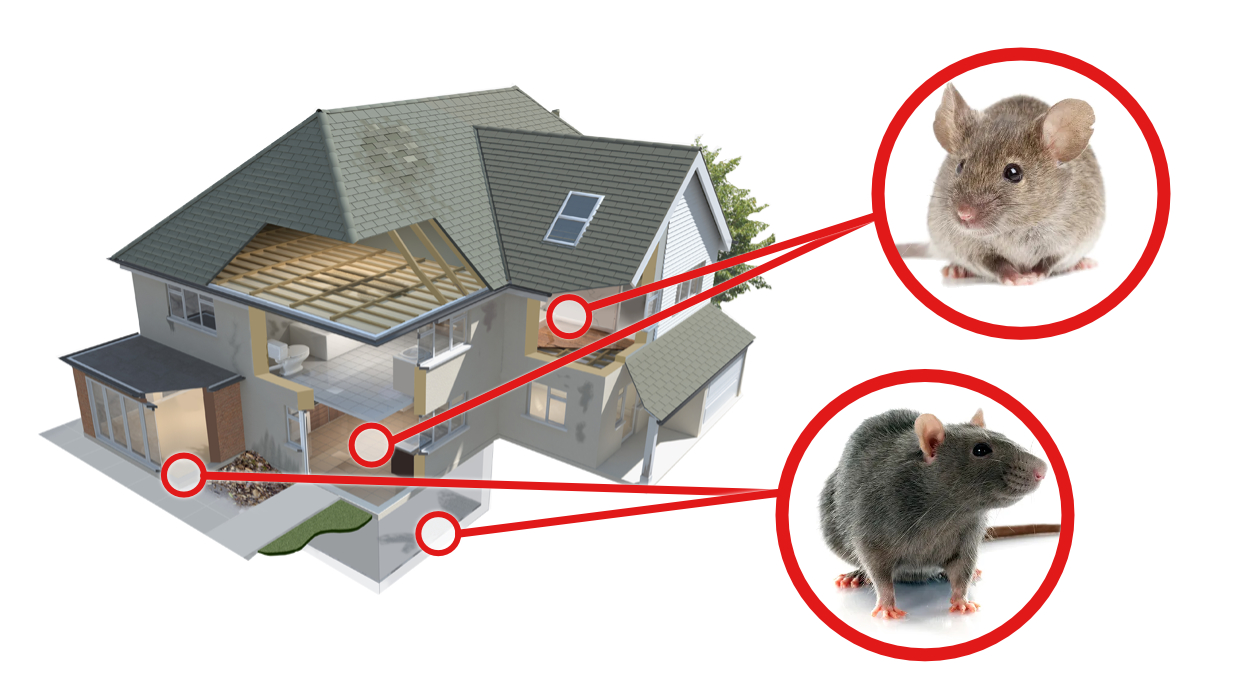
Mice and rats: Unwelcome Spring guests
How to identify the problem
As winter fades in the Kootenays and spring begins to settle in, mice and rats start looking for safe, sheltered places to nest. While many people think of rodents as a cold-weather concern, the damp conditions of spring can also drive them indoors in search of dry, protected spaces.
That is why this time of year is important for homeowners to stay alert. Early signs of rodent activity can include scratching sounds behind walls or baseboards at night, small dark droppings in pantries or under sinks, and gnaw marks on wood, plastic, or food packaging. In some cases, you may also notice narrow paths in the grass leading toward your home, especially near the foundation.
Spotting these signs early can help prevent a small issue from becoming a bigger one.
Rodent prevention tips
When it comes to preventing rodents, small changes around the home can make a big difference. In the warmer months, the goal is to reduce easy access to food, shelter, and entry points.
A good place to start is with a simple walk around your home. Mice can squeeze through openings as small as a dime, so pay close attention to areas where utility lines enter the house, as well as cracks in the foundation or gaps around doors and vents. Sealing these openings with durable materials such as steel wool or copper mesh can help keep rodents out.
It is also important to make the area around your home less inviting. Keep firewood, dense brush, and other stored materials away from the exterior walls. Birdseed and pet food should be stored in sealed hard-plastic or metal containers to help reduce access to food sources. By limiting shelter, removing food sources, and sealing potential entry points, you can make your home far less appealing to mice and rats.
Signs it is time for professional help
A single mouse may not seem like a major concern, but there are times when professional support is the best next step. Seeing mice during the day can point to a larger infestation, especially if hiding spots are already overcrowded. Finding nesting materials such as shredded insulation or fabric is another sign that rodents may have settled in.
It is also a good idea to call a professional if you are concerned about health risks, damage to your home, or ongoing activity that does not seem to go away. Rodents can contaminate food, damage insulation, and chew through wiring, which can create more serious issues over time.
At Abell Pest Control, our team understands the unique pest pressures that come with living in the Kootenays. We can help identify hidden entry points, address active infestations, and provide exclusion solutions that help keep rodents out.
Learn more about house mice and rats or request a quote from Abell Pest Control today.
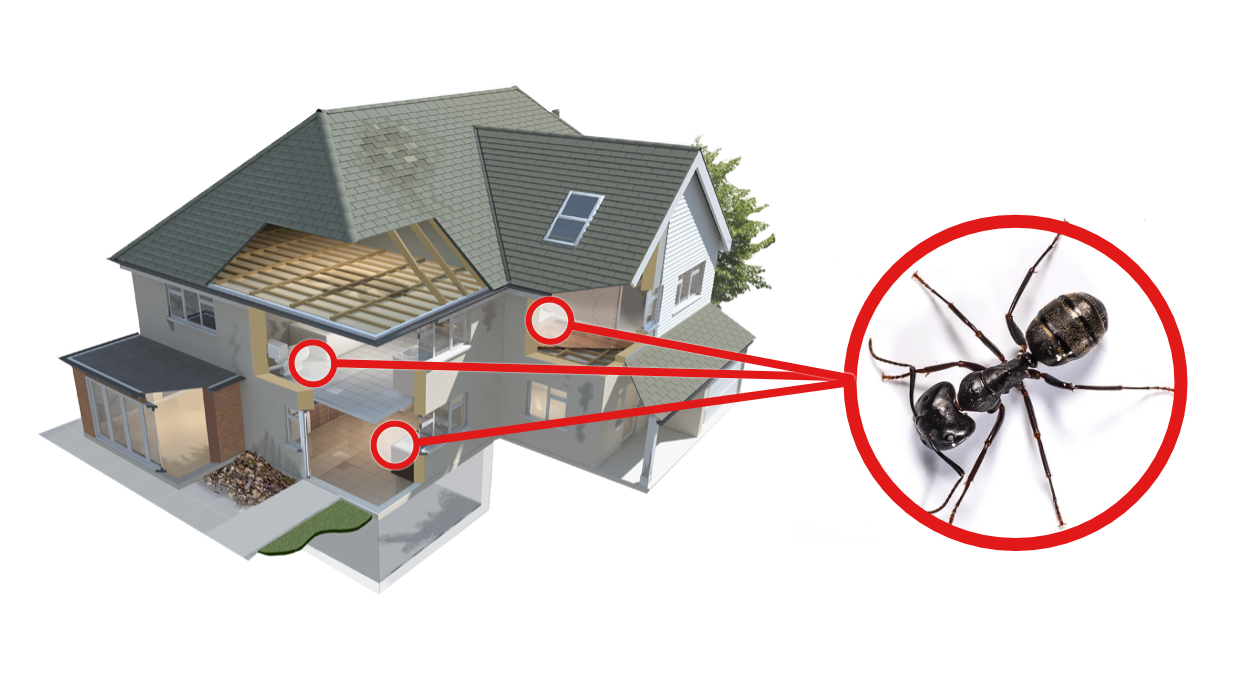
Carpenter ants: The silent woodworkers
How to identify the problem
As temperatures begin to rise in the Kootenays, carpenter ants become more active. Unlike smaller ants that are usually just a nuisance indoors, carpenter ants can be more concerning because they may nest inside the wood of your home.
One of the first signs is spotting large black ants around kitchens, bathrooms, windows, or baseboards. Another common clue is frass, which looks like fine sawdust or wood shavings. Carpenter ants push this material out as they tunnel through damp or damaged wood to build their nests. In some cases, homeowners may also hear faint rustling sounds inside walls, especially when a colony is well established.
Ant prevention tips
The best way to help prevent carpenter ants is to reduce moisture around your home. These ants are drawn to damp, softened wood, so it is important to keep an eye on areas affected by leaks, snowmelt, or poor drainage. Check that gutters are clear and draining away from the foundation. Repair any moisture issues around windows, doors, or roofing, and keep mulch, soil, and plant growth from sitting too close to the siding. Trimming back tree branches and shrubs can also help by removing easy access points to the roof and exterior walls.
Keeping wood dry and reducing contact points can go a long way in making your home less attractive to carpenter ants.
When to call a professional
If you are seeing carpenter ants regularly indoors, or noticing frass around baseboards, windows, or other wood structures, it may be time to call a professional. Seeing winged ants inside can also be a sign that a nearby colony is established and expanding.
DIY treatments may only deal with the ants you can see, while the main nest remains hidden behind walls or in damaged wood. At Abell Pest Control, our team can help identify the source of the problem and recommend the right treatment to protect your home.
Learn more about carpenter ants or request a quote from Abell Pest Control today.
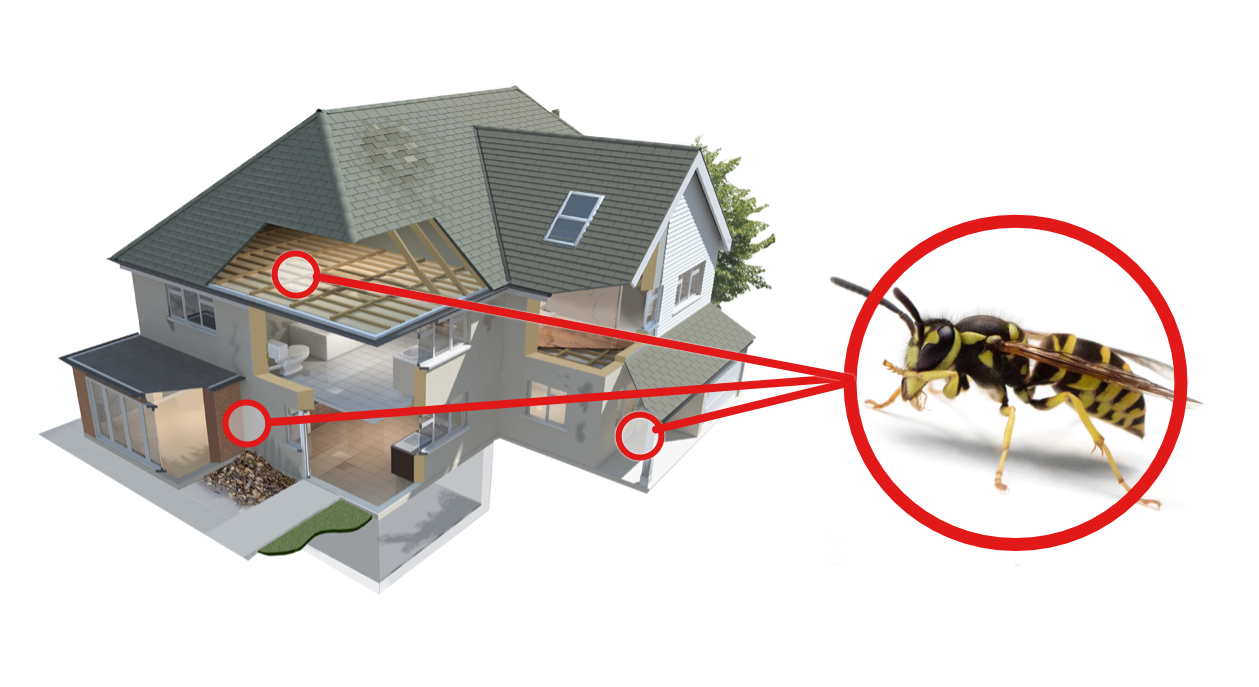
Yellowjackets and other wasps: Unwelcome patio guests
How to identify the problem
Summer in the Kootenays is made for time outside, whether that means backyard dinners, relaxing on the deck, or enjoying the view. Wasps and yellowjackets can quickly disrupt that. While the occasional wasp in the garden is not usually a cause for concern, repeated activity in one area often points to a nest nearby.
One of the clearest signs is a steady stream of wasps flying in and out of the same spot, such as a gap in the siding, under the eaves, around soffits, or even from a hole in the ground. You may also notice small paper nests forming in sheltered areas early in the season. On wooden fences, railings, or deck boards, thin scraped marks can also be a sign of wasp activity, as some species collect wood fibres to build their nests.
Wasp and yellowjacket prevention tips
Prevention starts with staying ahead of nesting activity early in the season. In late spring and early summer, it helps to regularly check around the outside of your home for small starter nests under eaves, railings, rooflines, and other protected areas.
It is also important to reduce anything that may attract wasps and yellowjackets. Keep outdoor garbage bins tightly sealed, pick up fallen fruit, and cover food and drinks when eating outside. These simple steps can help make patios, decks, and outdoor gathering spaces less appealing to stinging insects.
When professional help may be needed
There are times when removing a wasp or yellowjacket nest is best left to a professional. Nests located inside walls, soffits, rooflines, or other hard-to-reach areas can be more complicated to address and may create additional problems if handled improperly. High activity levels around a nest can also increase the risk of stings.
If the nest is in a difficult location, if activity around your home is increasing, or if you are concerned about the safety of children, pets, or anyone with a sensitivity to stings, professional support can help resolve the issue safely and effectively.
At Abell Pest Control, our team can identify nesting sites, recommend the right treatment approach, and help restore peace of mind so you can enjoy your summer outdoors.
Learn more about the wasps and yellowjackets or request a quote from Abell Pest Control today.
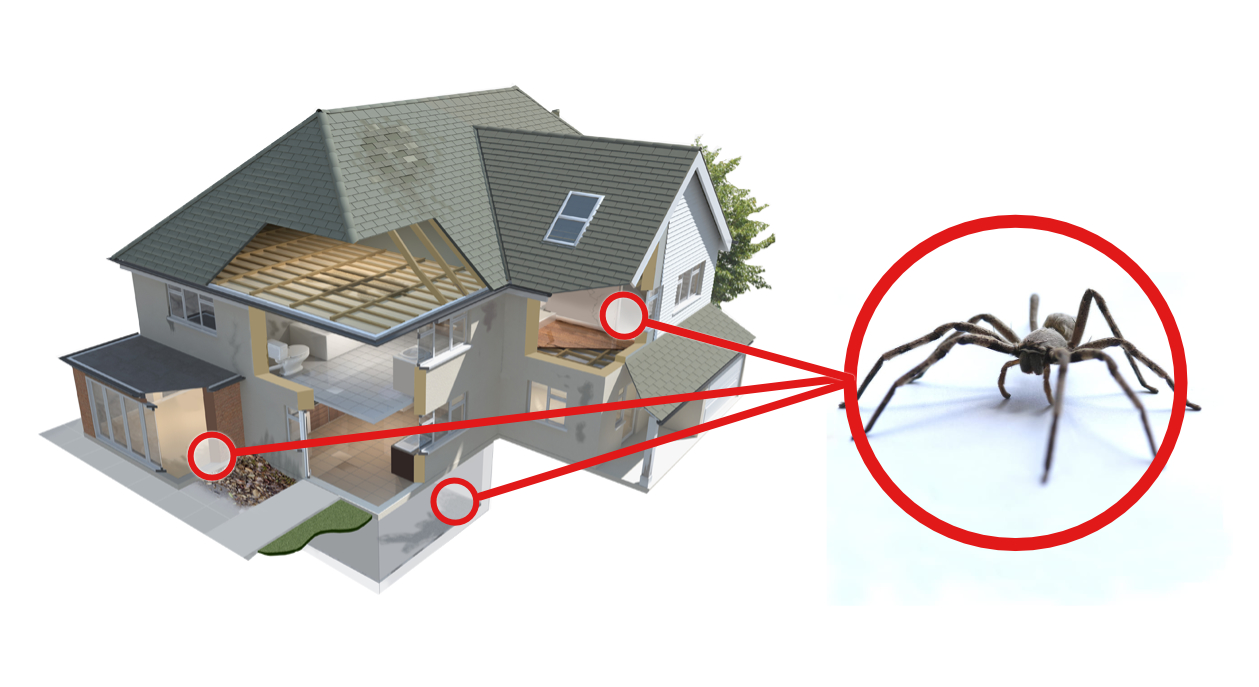
Spiders: The eight-legged architects
How to identify the problem
In the Kootenays, spiders are a common part of the natural environment and most are harmless. Still, that does not make them welcome indoors. Spider activity often becomes more noticeable during seasonal transitions, especially in the spring and fall, when they begin moving in search of shelter or food.
In many cases, the first sign is the appearance of webs in corners, along window frames, in basements, crawlspaces, or other quiet areas of the home. Seeing the occasional spider is usually not a concern, but a growing number of webs or the presence of multiple egg sacs can suggest that spider activity is increasing indoors.
Spider prevention tips
Spider prevention often starts with reducing the conditions that attract them in the first place. Because spiders feed on other insects, lowering overall insect activity around your home can help make the space less appealing.
Check that window screens are in good condition and seal any gaps around doors, windows, and other entry points. Outdoor lighting can also make a difference, as bright lights attract insects, which in turn attract spiders. Keeping exterior lights off when they are not needed, or using bug-friendly bulbs, may help reduce activity around entryways. Inside the home, keeping storage areas tidy and reducing clutter in garages, basements, and crawlspaces can also help limit hiding spots.
When to reach out for professional help
If you are noticing frequent spider activity throughout your home, finding large numbers of webs, or feeling uncomfortable in your space because of ongoing sightings, it may be time to seek professional support. The same is true if you come across spiders you cannot identify or suspect may be a more concerning species.
At Abell Pest Control, our team can inspect the home, identify contributing factors, and recommend targeted solutions to help reduce spider activity and restore peace of mind.
Learn more about spiders or request a quote from Abell Pest Control today.
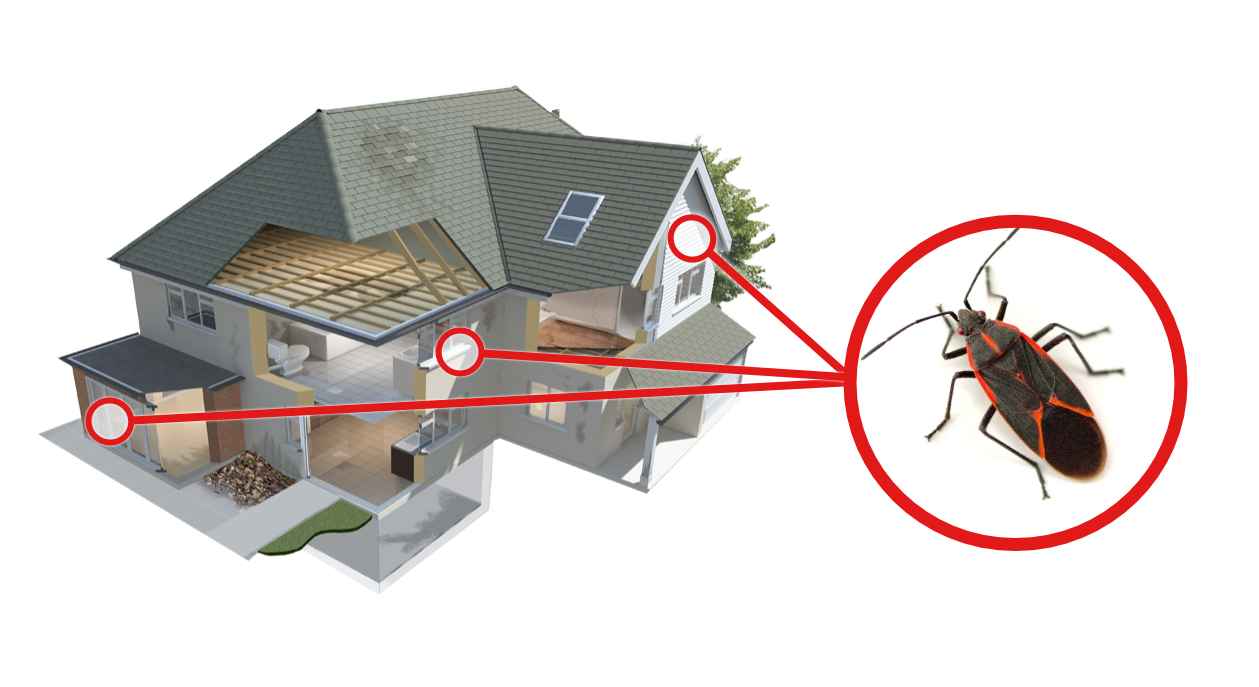
The autumn huddle: Overwintering invaders and seed bugs
How to identify the problem
As temperatures begin to cool in the Kootenays, some pests start looking for a warm place to spend the winter. Western conifer seed bugs are a common example. These insects usually live outdoors through the warmer months, but in early fall they often gather on sunny exterior walls and look for small openings to move indoors.
They are easy to spot because of their size and shape, and homeowners often notice them clustered around windows, siding, or entry points. While seed bugs do not bite or damage your home, they can become a nuisance once inside, especially if large numbers begin appearing around windows or flying indoors on warmer winter days.
Seed bug prevention tips
The best way to help prevent seed bugs from getting inside is to focus on exclusion before colder weather arrives. Sealing gaps around windows, doors, vents, and other openings can help reduce the number that make their way indoors.
It is also a good idea to check screens, soffits, and attic vents for any areas that may need repair. If you store firewood outside, only bring in what you plan to use right away, as insects can sometimes be carried inside with it.
By sealing entry points early in the season, you can help make your home less inviting to overwintering pests.
When expert help is recommended
Seed bugs are mostly a nuisance, but large numbers can still be frustrating for homeowners. If you are seeing them often indoors, finding them in multiple areas of the home, or noticing heavy activity around windows, siding, or other entry points, professional support may be the right next step.
At Abell Pest Control, our team can help identify where these pests are getting in and recommend solutions to reduce activity around your home before it becomes a bigger seasonal issue.
Learn more about seed bugs or request a quote from Abell Pest Control today.

Abell technicians bring expert service to local homes and businesses.
Understanding our Kootenay environment: An Abell Pest Control Q&A
What do people commonly misidentify in our region?
One of the most commonly misidentified pests in the Kootenays is the Western conifer seed bug. Because of its shape and the odour it can release when disturbed, it is often mistaken for a stink bug. While it may look alarming, it is mostly a seasonal nuisance that looks for a warm place to spend the winter. We also see carpenter ants confused with field ants, but carpenter ants often leave behind frass, which looks like fine sawdust near damaged wood.
What’s the single best thing homeowners can do to prevent pests?
One of the most effective steps homeowners can take is sealing potential entry points. Gaps around utility lines, torn screens, and spaces under doors can all make it easier for pests to get inside. A simple exterior check, along with caulking and basic repairs, can go a long way in helping prevent pest activity.
When is professional help usually recommended?
Professional support is often the best option when pests are active inside walls, attics, crawlspaces, or other hard-to-reach areas of the home. Carpenter ants, wasps nesting in structural voids, bed bugs, and larger rodent infestations can all be difficult to manage without the right tools and experience. In these cases, a professional treatment plan can help address the source of the problem more effectively.
What are some common myths about pests in the Kootenays?
One of the biggest misconceptions is that pests only show up in dirty homes. In reality, pests are usually looking for food, water, warmth, and shelter. Even a well-kept home can experience pest activity if there is an accessible entry point. Another common myth is that quick DIY fixes will eliminate an entire infestation, when in many cases they only address the pests you can see.
How does proactive pest management help businesses save money?
For businesses, proactive pest management can help reduce the risk of larger and more expensive problems later on. Pest activity can lead to damaged inventory, disruptions to operations, property damage, and harm to a business’s reputation. Regular inspections and early intervention can help catch issues before they grow and become more costly to resolve.
What’s one thing you wish every Kootenay homeowner knew?
Pest control is not about fighting nature. It is about creating clear boundaries between the outdoors and the spaces where people live and work. In a region like the Kootenays, wildlife and insects are part of the environment. The goal is to help keep them outside, while protecting the comfort, safety, and peace of mind of the people inside.
What steps does Abell Pest Control take to protect beneficial pollinators like bees?
At Abell, protecting pollinators is an important part of responsible pest management. Our technicians are trained to distinguish between stinging pests such as yellowjackets and beneficial insects such as honeybees and bumblebees. Whenever possible, we focus on solutions that reduce harm to beneficial species, including relocation support for honeybee swarms when appropriate.

A local partner in protection
Protecting a home in the Kootenays starts with understanding the environment around it. From forest-adjacent properties to heritage homes and seasonal cabins, pest pressures can look different from one property to the next. That is why Abell Pest Control takes a local, informed approach built on targeted treatment and long-term prevention.
As highlighted in Abell Pest Control: Defending Kootenay Homes from Unwanted Intruders, our team understands the realities of mountain living, including seasonal climate changes, rural and urban overlap, and the unique challenges that can come with vacant or part-time properties. With integrated pest management strategies and technicians trained for the region, we focus on solutions that are effective, environmentally responsible, and designed to stop problems before they grow.
Peace of mind starts with prevention and a local team that understands the Kootenays.
Contact Abell Pest Control for a free estimate and restore your peace of mind.
Serving the Kootenays with trusted pest control solutions
From the East Kootenays to the West Kootenays, Abell Pest Control provides trusted service backed by local knowledge and dependable protection for homes and businesses.

West Kootenay service areas
Abell Pest Control proudly serves Castlegar, Fruitvale, Grand Forks, Greenwood, Kaslo, Midway, Montrose, Nelson, Rossland, Trail, Warfield, and surrounding communities.
East Kootenay service areas
Our East Kootenay team supports Canal Flats, Canmore, Creston, Edgewater, Elkford, Fernie, Fort Macleod, Golden, Invermere, Kimberley, Revelstoke, Sparwood, and more.