
Geoscience BC map project to boost West Kootenays critical mineral exploration
Areas of historical mining operations, such as Rossland, are of particular interest as they may offer undiscovered mineral deposits
by Submitted - Geoscience BC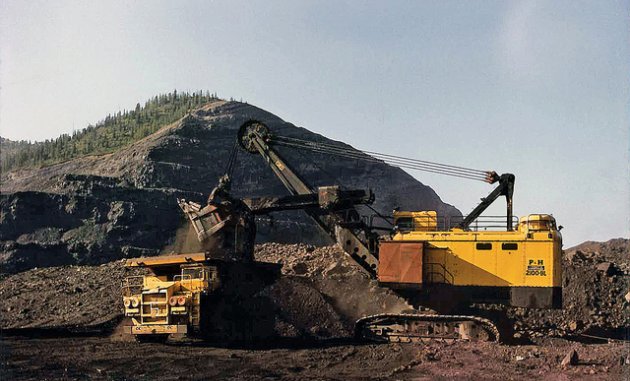
— Photo courtesy Teck
Do you have a story idea about mining in the Kootenays? Submit your idea today.
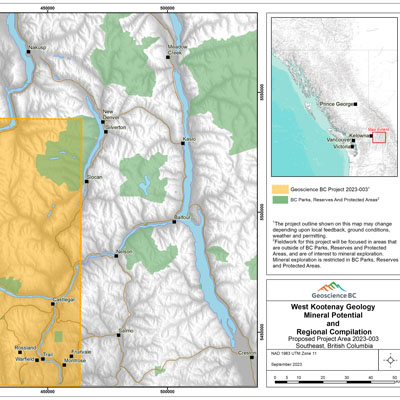
Areas of historical mining operations, such as Rossland, are of particular interest as they may offer undiscovered mineral deposits
by Submitted - Geoscience BC
Beverly MacNaughton, executive director of the Sparwood Chamber of Commerce, provides an update on developments around the new Middletown subdivision
by Kyle Born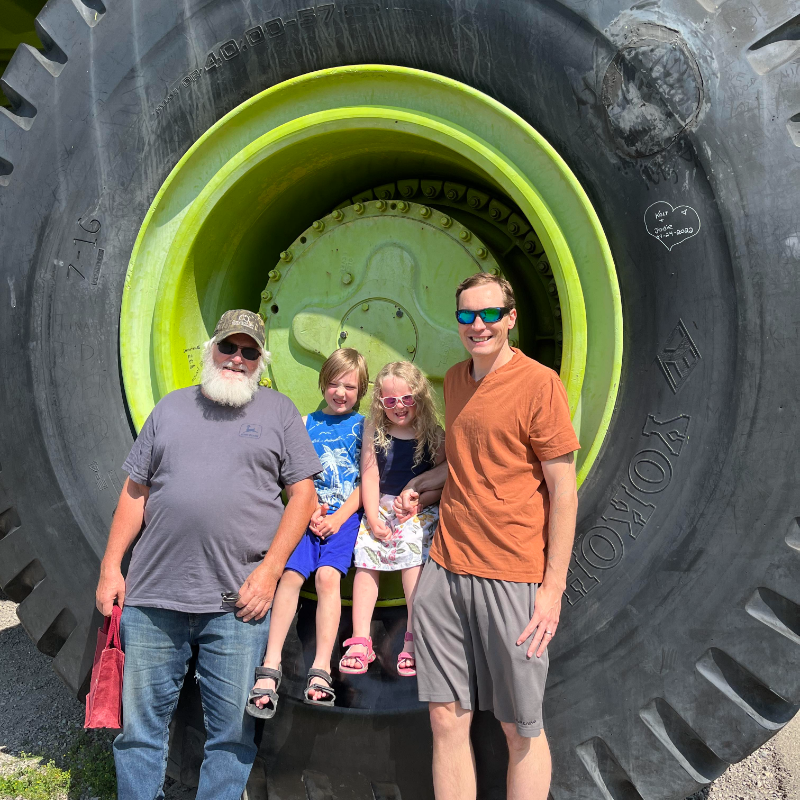
The world’s largest dump truck is a humongous hit with kids, as is the Museum’s dino diorama and Teck’s coal mine tour in Sparwood, B.C.
by Kyle Born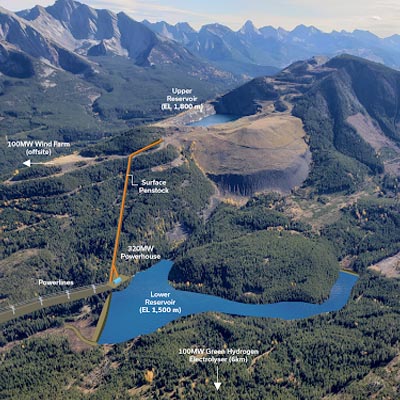
The three-way green energy project is the result of great minds coming together against a challenging problem.
by Timothy Fowler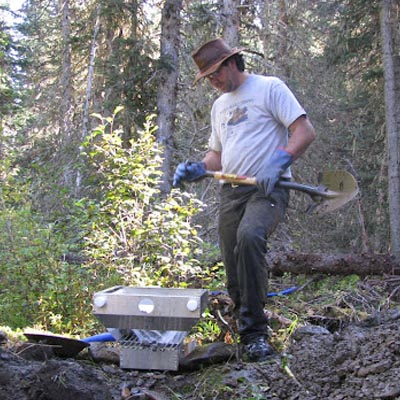
Placer mining in B.C. has no better advocate than gold miner Mitch Mortensen of Snowshoe Mountain Resources Corp.
by Virginia Rasch
Women can have fulfilling careers in industry, according to Vanessa Terwoort, Director, Environment, Mercer Celgar
by Virginia Rasch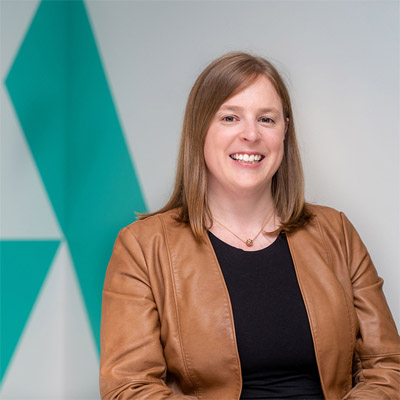
Kendra Johnston, CEO of AME, likens the Canadian mining and energy conferences to family reunions because of the meaningful relationships developed during camp
by Timothy Fowler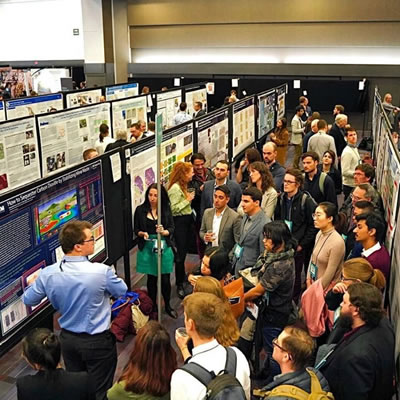
Highlights from this year's conference included some exciting announcements regarding resource development and exploration
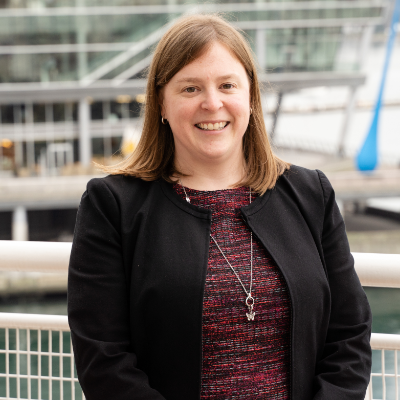
Kendra Johnston, president and CEO of AME, is optimistic about jobs, economy and reconciliation in 2020
by Kyle Born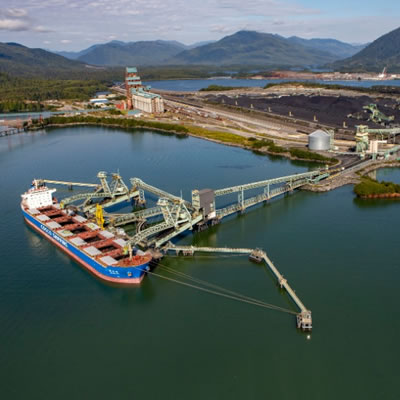
A new deal signed between Teck Resources Limited and Ridley Terminals Inc., will allow Teck to expand its steelmaking coal shipments to the B.C. coast
by Julie Matchett